
Demystifying "Low Odor" and VOC-Compliant Coatings: Why Accuracy Matters in the Flooring Industry
In the commercial flooring and industrial coatings sector, facility managers and contractors are constantly walking a tightrope. On one hand, spaces need high-performance, durable flooring upgrades. On the other hand, renovations cannot afford to shut down operations, halt retail foot traffic, or expose employees and customers to noxious, hazardous fumes.
This demand has led to a massive shift toward VOC-compliant and "low odor" protective coatings. But as with any industry shift, marketing hype can sometimes outpace chemical reality. Let’s break down what these terms actually mean, why chemical accuracy matters, and how modern formulations are changing the way we renovate commercial spaces.
The "No Odor" Myth vs. "Low Odor" Reality
When browsing product labels and marketing materials for epoxies, urethanes, and advanced topcoats, you will often see brands touting "no odor" formulas. While this sounds ideal for a busy hospital or an active restaurant, chemical accuracy is paramount in our industry.
Heavy-duty protective coatings rely on complex molecular reactions—involving solvents, curing agents, and cross-linking polymers—to bond to substrates and form indestructible barriers. Because of this, promising a true "no odor" application for industrial-grade chemicals is not just misleading; it sets false expectations and can lead to safety oversights.
To ensure complete accuracy and build trust with contractors and facility managers, the industry standard must be "low odor." A low odor claim accurately reflects that while the coating utilizes advanced, highly refined chemistry to drastically reduce offensive and harmful fumes, it still requires standard, sensible ventilation during the curing process. Transparency always wins over marketing fluff.
Understanding VOC Compliance
VOCs, or Volatile Organic Compounds, are chemicals that easily evaporate at room temperature. In traditional flooring and paint applications, these compounds are responsible for the harsh, lingering "new paint" smell. Prolonged exposure to high levels of VOCs can cause headaches, dizziness, and long-term health issues, while also contributing to poor indoor air quality and environmental smog.
A VOC-Compliant coating is one that has been engineered to keep these volatile emissions below the strict thresholds set by environmental agencies (such as the EPA or local state regulations like California's strict standards).
Achieving VOC compliance without sacrificing the durability of the floor is one of the greatest recent triumphs in chemical engineering. Manufacturers achieve this by utilizing higher solids content, substituting hazardous solvents with safer alternatives, or leveraging water-based and advanced aliphatic technologies.
The Real-World ROI for Installers and Facilities
Switching to low odor, VOC-compliant systems isn't just about passing an environmental inspection; it carries a massive return on investment for everyone involved in a project.
- Zero Operational Downtime: For 24/7 facilities like hospitals, grocery stores, and manufacturing plants, shutting down a wing to let chemical fumes dissipate costs thousands of dollars in lost revenue. Low odor systems allow businesses to remain open while adjacent areas are being renovated.
- Safety and Liability: Protecting the respiratory health of the application crew and the building's occupants is the top priority. Compliant coatings drastically reduce liability and ensure a safer working environment.
- Green Building Certifications: Many modern architectural projects are pursuing LEED (Leadership in Energy and Environmental Design) certification. Utilizing low-emitting materials is often a mandatory requirement to win these lucrative commercial bids.
Setting the Standard
The standard for protective floor coatings has evolved. We no longer have to choose between industrial-grade durability and indoor air quality. By relying on accurate "low odor" formulations and strict VOC compliance, installers can confidently offer premium, high-performance floors in the most sensitive environments.
When you choose transparency and advanced chemical engineering, you aren't just pouring a floor—you are protecting the people who walk on it.
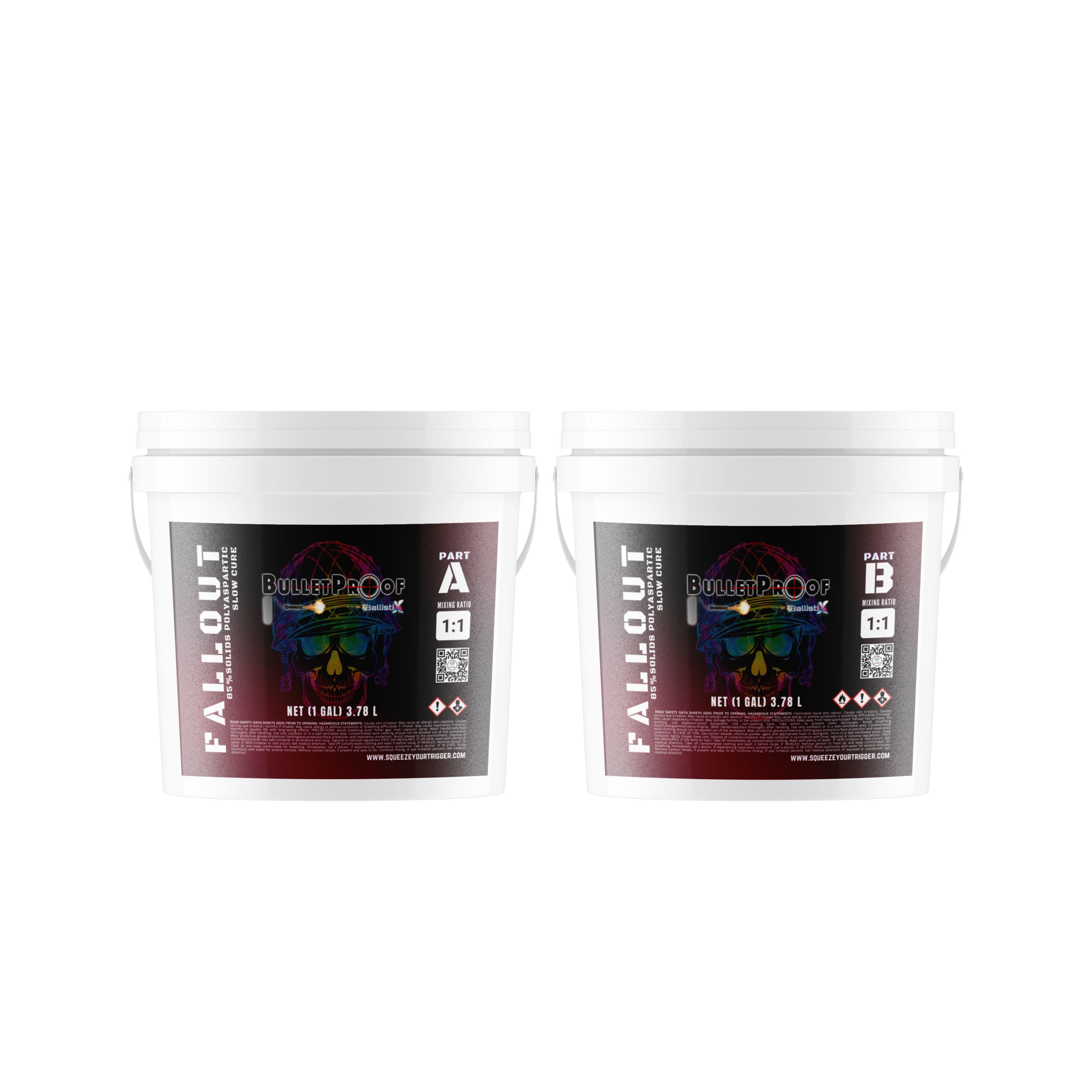
Fallout | 85% Solids SC Polyaspartic
Engineered for excellence, Fallout delivers industrial-grade durability in a high-solids, low-odor, VOC-compliant formulation. Ideal for 24/7 facilities that require a rapid return to service without the hazardous fumes.
Shop Fallout